18 Guilt-Free Healthy French Toast Recipes - Low Sugar & High Fiber
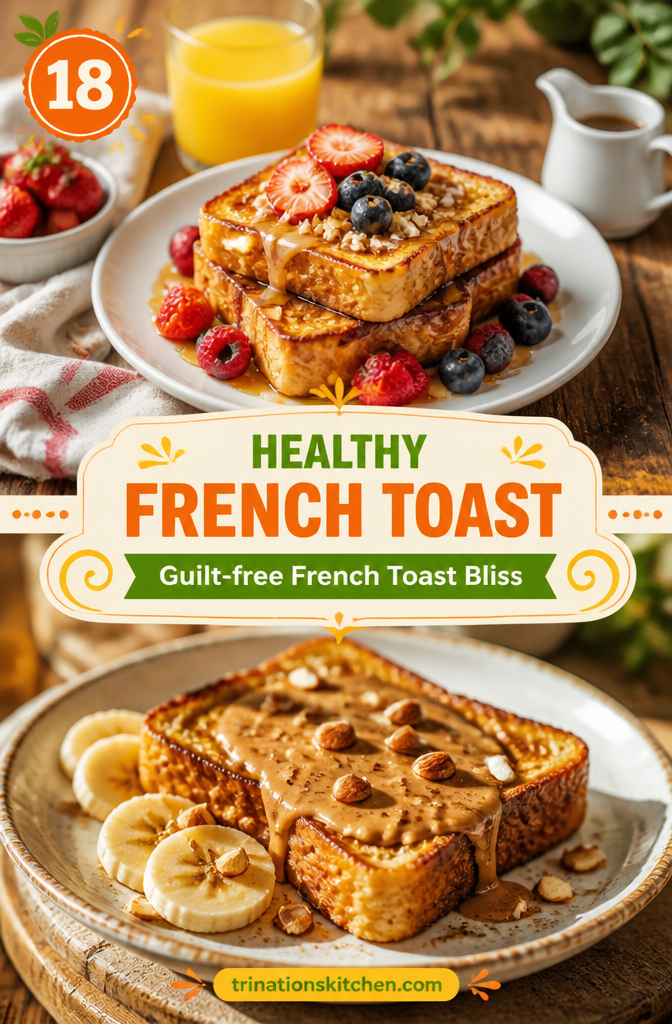
French toast can feel like an occasional treat, but it does not have to be off-limits when you are building a breakfast around steady energy and sensible choices. The good news is that a few simple adjustments can turn this custardy favorite into a nourishing, high fiber recipe without sacrificing comfort or flavor. The following ideas focus on low sugar french toast, smart substitutions, and flexible breakfast ideas for busy mornings.
Build a Better Base
Start with bread that can hold up to the custard while bringing more fiber to the plate. Whole grain, sprouted grain, and seeded breads tend to be more filling than refined white bread. For a heartier texture, use slightly stale slices, since they absorb the egg mixture without becoming soggy.
- Choose bread with a short ingredient list and plenty of whole grains or seeds.
- Slice thicker pieces for a plush center and crisp edges.
- Lightly toast the bread before dipping if it is very fresh.
- Keep slices the same thickness so they cook evenly.
If you are reducing sugar, skip sweetened brioche or cinnamon bread. Their added sugar can overwhelm the topping-free version and make the toast taste flat once you cut it back.
Use a Flavorful Custard
A balanced custard is the foundation of healthy french toast. Whisk together eggs or a combination of eggs and plain dairy or unsweetened plant milk. Add vanilla, cinnamon, nutmeg, cardamom, or orange zest for aroma. A tiny pinch of salt makes the other flavors pop without adding sugar.
A practical ratio is one egg for every one or two slices of bread, adjusted for how rich you like the custard. If you prefer more volume, add a splash of milk. Soak each slice just until the center feels moist; over-soaking can make the bread fall apart.
For low sugar french toast, rely on spices and extracts rather than syrup in the batter. If you want a hint of sweetness, stir in a spoonful of plain yogurt or a small amount of mashed banana, then balance it with cinnamon and vanilla.
Cook for Texture and Nutrition
Texture makes a big difference in whether a healthy breakfast feels satisfying. Use a nonstick skillet or griddle over medium heat and add a thin film of oil or butter. Too much fat can make the toast greasy; too little can cause sticking.
- Heat the pan before adding the slices.
- Cook until the first side is golden, then flip once.
- Press gently with a spatula to ensure even contact.
- Keep finished slices warm in a low oven while you cook the rest.
If you want extra crunch, press seeds such as sesame, flax, or chia onto the bread before it hits the pan. This adds fiber and a pleasant contrast to the soft center.
Top Smartly for Low Sugar and High Fiber
Toppings are where many French toast meals quietly turn sugary. You can still enjoy a generous plate by choosing options that bring texture, healthy fats, and fiber.
- Plain Greek yogurt or skyr for protein and creaminess.
- Fresh berries, sliced apple, pear, or citrus for natural sweetness.
- Nut or seed butter in a thin layer for staying power.
- Chopped nuts, toasted oats, or unsweetened coconut for crunch.
- A light drizzle of pure maple syrup or honey, used sparingly.
For high fiber recipes, add ground flaxseed, wheat germ, or a sprinkle of bran to the custard. These ingredients blend in easily and do not change the flavor much. If you prefer a savory twist, skip sweet toppings and use mashed avocado, a fried egg, herbs, and a pinch of chili flakes.
Easy Variations for Every Morning
Healthy french toast does not need to be the same every day. Rotate these ideas to keep breakfast interesting.
- Cinnamon apple: Fold grated apple into the custard and cook until lightly caramelized.
- Orange cardamom: Add orange zest and a pinch of cardamom for a bright, fragrant slice.
- Peanut butter banana: Spread a thin layer of peanut butter on the bread, dip, and top with a few banana coins.
- Berry oat: Stir rolled oats into the custard and serve with crushed berries.
- Savory herb: Use milk, herbs, black pepper, and a spoonful of cottage cheese on top.
- Overnight prep: Whisk the custard, cover, and refrigerate. In the morning, dip and cook quickly.
These variations work with most breads and can be adjusted for different diets. If you are serving a crowd, keep cooked slices warm on a sheet pan in a low oven and let everyone choose their own toppings.
Common Mistakes to Avoid
Even a simple recipe can go sideways if a few details are overlooked.
- Using bread that is too soft, which falls apart during dipping.
- Soaking too long, leading to a soggy slice.
- Cooking at too high a heat, browning the outside while the center stays raw.
- Adding sugar to the custard when the toppings already bring sweetness.
- Loading on syrup without balancing it with protein or fiber.
A quick fix for soggy toast is to place the slices on a wire rack for a minute after cooking so steam can escape. If the center seems underdone, lower the heat and cook a little longer rather than increasing the temperature.
Meal Prep and Storage Tips
French toast is friendly to meal prep. Cook a batch, cool completely, and store slices in a single layer with parchment between them. Refrigerate for a few days or freeze for longer storage. Reheat in a toaster oven or skillet to restore crispness; the microwave can make the slices soft.
You can also prepare the custard in advance. Keep it covered in the refrigerator and use within a day or two. For a quick weekday breakfast, portion toppings into small containers so you can assemble a balanced plate in minutes.
With a focus on whole grain bread, thoughtful spices, and toppings that add fiber and staying power, these breakfast ideas deliver guilt-free indulgence without feeling restrictive. The result is a comforting plate that supports your wellness goals while still feeling like a treat.
FAQ
What bread makes the best healthy french toast?
Whole grain, sprouted grain, and seeded breads are excellent choices because they bring more fiber and tend to keep you full longer. Slightly stale bread works well because it absorbs the custard without falling apart. If you prefer a milder flavor, look for a whole wheat loaf with a soft texture.
How can I make low sugar french toast without losing flavor?
Focus on vanilla, cinnamon, nutmeg, citrus zest, and a pinch of salt in the custard. Use plain yogurt, mashed banana, or fresh fruit for gentle sweetness, and keep any syrup or honey to a light drizzle. Toasting the bread and adding crunchy toppings also makes the flavor feel complete without extra sugar.
What are the easiest high fiber toppings?
Berries, sliced pear, chia seeds, ground flaxseed, chopped nuts, and a spoonful of nut or seed butter are simple options. You can also stir oats or wheat germ into the custard for an extra fiber boost. Pair these toppings with protein such as eggs or yogurt to make the meal more satisfying.
Read more: 18 Guilt-Free Healthy French Toast Recipes - Low Sugar & High Fiber


Nhận xét
Đăng nhận xét