18 Must-Try Japanese Savory Pancake Recipes That Burst With Flavor
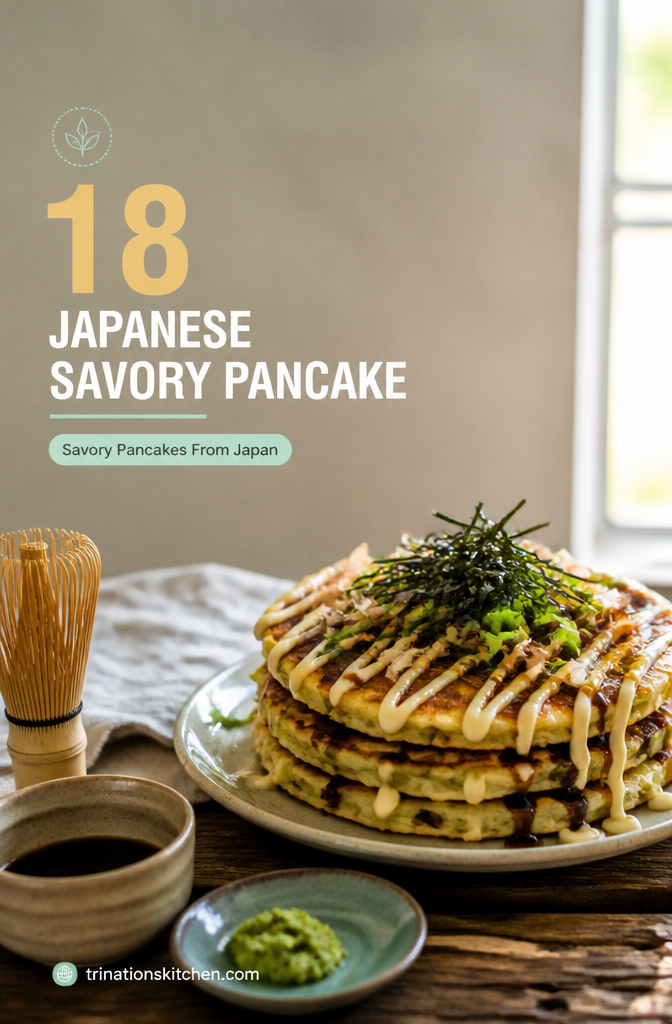
Japanese pancakes turn a familiar comfort food into a study in texture and balance. Whether you want a cloud-soft stack, a griddled okonomiyaki packed with vegetables, or a sweet-savory dorayaki, the key is understanding how batter, heat, and toppings work together. These savory recipes invite you to slow down, build layers of umami flavors, and enjoy smooth textures that make every bite feel special.
Build a Better Pancake Batter
A reliable base makes every recipe easier. Start with all-purpose flour, a liquid such as dashi, milk, or water, and a binder like eggs. For Japanese-style pancakes, whisk until just combined; a few small lumps are fine. Overmixing develops gluten and can make the texture tough instead of tender.
- Measure flour gently by spooning it into the cup and leveling it, then whisk it before using to avoid dense pockets.
- Keep ingredients cool for fluffy pancakes; cold batter reacts more predictably with baking powder or whipped egg whites.
- Rest the batter for 5 to 10 minutes so the flour hydrates and the texture becomes smoother.
- Adjust thickness gradually: add liquid a tablespoon at a time until the batter flows slowly from a spoon.
- Taste the batter before cooking and season lightly; toppings will add salt later.
For extra lift, fold in stiffly beaten egg whites at the end. This is especially helpful for soufflé-style Japanese pancakes, where smooth textures and a gentle rise are the goal.
Master Heat, Timing, and Flipping
Heat control separates good pancakes from great ones. Use a heavy skillet or griddle over medium heat and let it warm evenly. A drop of batter should sizzle gently, not spit aggressively.
- Preheat for several minutes; uneven heat creates pale centers and overcooked edges.
- Lightly oil the pan and wipe away excess for a thin, even coating.
- Pour batter in the center and let it spread naturally; avoid pressing it flat.
- Wait until bubbles form and the edges look set before flipping once.
- Finish low and slow if the center is still wet; cover the pan to trap gentle steam.
For tall pancakes, pipe or spoon batter into rings or mounds, then cover the skillet. Add a splash of water to create steam, which helps the center cook without burning the bottom.
Okonomiyaki: The Savory Centerpiece
Okonomiyaki is one of the most beloved savory recipes in Japanese home cooking. “Okonomi” means “as you like,” so this dish welcomes vegetables, seafood, and leftovers. The result is a satisfying comfort food with crisp edges and a tender middle.
- Shred cabbage finely and mix it with batter until every strand is coated.
- Add a handful of chopped scallions, a spoon of tenkasu (tempura bits), and a pinch of salt for crunch and depth.
- Keep the pancake thick, but not so tall that the center struggles to set.
- Cook on medium heat, covered, until the bottom is golden; flip carefully and cook the other side.
- Finish with Japanese mayo, okonomiyaki sauce, aonori, and bonito flakes for umami flavors.
Variations include adding shrimp, squid, kimchi, mochi pieces, or a handful of spinach. For a lighter option, replace some cabbage with grated zucchini or thinly sliced mushrooms. If the pancake falls apart when flipping, the batter may be too thin or the pan too hot; let the first side set longer and use a wide spatula.
Dorayaki and Sweet-Savory Twists
Dorayaki traditionally pairs soft, honey-kissed pancakes with a sweet filling, but it can take on a savory turn with miso-glazed mushrooms, caramelized onions, or grilled eggplant. The pancakes should be thin, smooth, and flexible enough to fold without cracking.
- Whisk eggs, sugar, honey, and a little mirin until pale, then fold in flour and a pinch of baking powder.
- Rest the batter so it spreads into even rounds with smooth textures.
- Cook on low heat to keep the surface golden rather than spotty.
- Cool slightly before filling so the pancakes do not steam and become gummy.
- Balance sweet and savory: a touch of white miso or soy in the filling adds depth without overpowering the pancake.
For a quick lunch, fill dorayaki with tuna salad, sliced avocado, and a smear of Kewpie-style mayo. For dinner, try roasted pork, pickled cucumber, and a drizzle of sweet soy glaze.
Toppings, Dips, and Serving Ideas
Toppings transform Japanese pancakes from simple to memorable. Choose a mix of creamy, tangy, and crisp elements to keep each bite interesting.
- Drizzle Japanese mayo in thin lines for richness and a polished look.
- Add pickled ginger or tsukemono for brightness that cuts through the richness.
- Sprinkle toasted sesame, shichimi togarashi, or nori strips for aroma and gentle heat.
- Spoon on a quick sauce of soy, mirin, and a little sugar; simmer until glossy and brush it on warm pancakes.
- Serve with a simple salad of shredded cabbage, cucumber, and rice vinegar for contrast.
For dipping, whisk dashi with a little soy and lemon for a light broth-like sauce. If you prefer a creamy dip, combine yogurt with miso and grated daikon for a refreshing finish.
Common Mistakes and How to Fix Them
- Batter too thick: add liquid a tablespoon at a time and whisk briefly to loosen.
- Pancakes brown too fast: lower the heat and wipe the pan with a little oil.
- Center stays raw: cover the pan, reduce heat, and give it more time; steam helps set the middle.
- Toppings slide off: let the pancake rest for a minute, then add sauces in thin layers.
- Flat, dense texture: avoid overmixing and check that your baking powder is fresh.
- Bland flavor: season the batter lightly and finish with soy-based sauce, mayo, or a sprinkle of salt.
Make-ahead tips help on busy days. Shred cabbage the night before and store it chilled. Mix dry ingredients in advance, then whisk with wet ingredients when ready to cook. Sauces keep well in the refrigerator for several days, so a quick drizzle can turn leftovers into a satisfying meal.
FAQ
Can I make Japanese pancakes gluten-free?
Yes. Use a blend of rice flour and tapioca starch for a tender, slightly chewy result. Add a little xanthan gum if the batter seems too loose, and cook on moderate heat so the interior sets without burning.
What is the difference between okonomiyaki and dorayaki?
Okonomiyaki is a thick, savory griddled pancake loaded with cabbage and other fillings, often topped with sauce and mayo. Dorayaki is a pair of thin, sweet pancakes sandwiched around a filling, though it can be adapted for savory fillings as well.
How do I keep pancakes warm while cooking a batch?
Place finished pancakes on a rack set over a sheet pan in a low oven. Cover loosely with foil to retain moisture. Avoid stacking them directly, as trapped steam can soften the surface and dull the crisp edges.
Read more: 18 Must-Try Japanese Savory Pancake Recipes That Burst With Flavor


Nhận xét
Đăng nhận xét