20 Heavenly Japanese Cheesecake Recipes To Try Today
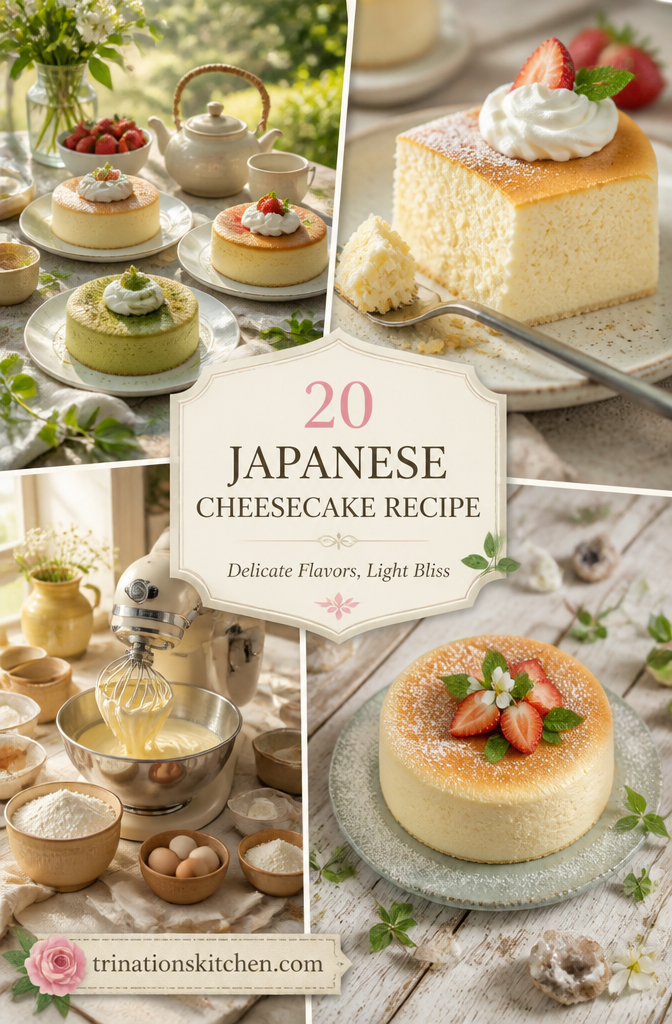
There is something quietly magical about Japanese cheesecake: the pale golden top, the gentle jiggle, and the cloud-soft texture that makes every forkful feel both rich and featherlight. Whether you are planning a weekend bake, looking for easy recipes for a gathering, or simply want to indulge after a long day, these dessert recipes are designed to help you create a fluffy cheesecake that feels special without becoming stressful.
Why Japanese cheesecake is different
Japanese cheesecake, often called cotton or soufflé cheesecake, is lighter and more delicate than the dense, fudgy New York style. The airy crumb comes from whipped egg whites folded into a smooth cream cheese batter, then baked gently so the cake rises without cracking.
This style is ideal when you want delicious desserts that are not overly heavy. The result is a soft, bouncy cake with a clean, creamy flavor. It works beautifully with a dusting of powdered sugar, fresh fruit, or a simple cup of tea.
The classic fluffy cheesecake method
This approach is the foundation for many Japanese cheesecake recipes. Once you master it, you can play with flavors and formats.
- Warm the cream cheese with milk and butter until smooth, then let the mixture cool slightly. A warm batter blends more evenly and helps avoid lumps.
- Mix in egg yolks, a small amount of flour or cornstarch, and a pinch of salt. The batter should be silky and pourable.
- Whip egg whites with sugar to soft peaks. Stiff, dry peaks can cause cracking; you want glossy whites that still look creamy.
- Fold the whites into the batter in two or three additions, using a spatula and a gentle hand. Stop as soon as the mixture looks uniform.
- Pour into a parchment-lined pan. For a soft, custardy center, use a water bath: place the pan in a larger pan and add hot water halfway up the sides.
- Bake low and slow. Start at a moderate temperature to set the structure, then lower it to finish. Avoid opening the oven door early.
- Cool gradually. Turn off the oven, crack the door, and let the cake rest before chilling. This helps prevent sinking and keeps the crumb tender.
20 Japanese cheesecake recipes to try
Here are 20 delicious desserts to inspire your next bake. Each idea starts with the classic base and adds a simple twist.
- Classic plain Japanese cheesecake
- Vanilla bean cotton cheesecake
- Honey-glazed Japanese cheesecake
- Lemon zest and juice cheesecake
- Matcha Japanese cheesecake
- Hojicha roasted tea cheesecake
- Black sesame cheesecake
- Earl Grey tea cheesecake
- Chocolate Japanese cheesecake
- Cocoa and espresso cheesecake
- Strawberry swirl cheesecake
- Blueberry compote cheesecake
- Mango Japanese cheesecake
- Yuzu citrus cheesecake
- Salted caramel Japanese cheesecake
- Peanut butter cotton cheesecake
- Coconut milk cheesecake
- White chocolate cheesecake
- Caramelized banana cheesecake
- Brown sugar and cinnamon cheesecake
To use these ideas, simply stir your chosen flavor into the cooled cream cheese mixture. For powders like matcha or cocoa, sift them first. For tea infusions, steep the leaves in warm milk and strain before mixing. For fruit, use a smooth puree or a thick compote so the batter stays stable.
Smart variations for every occasion
Japanese cheesecake is wonderfully adaptable. These easy recipes keep the airy texture while giving you options for different moods and events.
- Mini cheesecakes for sharing: Divide the batter among muffin cups or small pans. Reduce the baking time and check for a soft jiggle in the center.
- No-bake cotton style: Whip cream cheese with a little gelatin and fold in whipped cream. Chill until set for a mousse-like dessert.
- Lighter option: Use part Greek yogurt or cream to replace some cream cheese. The cake will be tangier and slightly less rich.
- Dairy-free approach: Choose a neutral plant-based cream cheese and unsweetened plant milk. Whipped aquafaba can stand in for egg whites in some recipes, though the texture will differ.
- Celebration version: Add a thin layer of jam or fruit curd in the middle before pouring the final batter. Dust with powdered sugar just before serving.
For gatherings, bake the cake a day ahead and keep it covered in the refrigerator. The crumb often tastes even smoother the next day as the flavors settle.
Common mistakes and how to fix them
- Cracked top: The oven may be too hot or the cake may have cooled too quickly. Lower the temperature, use a water bath, and let the cake rest in the oven with the door slightly open.
- Dense or rubbery texture: The egg whites were over-whipped or under-folded. Stop at soft peaks and fold gently until just combined.
- Sunken center: The cake was underbaked or removed from the pan too early. Give it a few extra minutes and cool it gradually.
- Weeping or wet spots: Too much liquid flavoring was added. Use thick purees, reduce syrups, or fold in only a tablespoon or two of liquid.
- Sticking to the pan: Line the sides and bottom with parchment, leaving a collar that rises above the rim. This makes unmolding much easier.
If your first cake is not perfect, keep going. Japanese cheesecake rewards patience and a gentle touch more than fancy equipment.
Serving and storage tips
Serve slices slightly chilled or at cool room temperature. The texture is at its best when the cake is not too cold, so take it out of the refrigerator about 10 to 15 minutes before slicing. A thin, warm knife helps create clean cuts.
Store leftovers in an airtight container in the refrigerator for up to a few days. For longer storage, wrap individual slices and freeze them. Thaw in the refrigerator overnight, then bring to cool room temperature before eating. Avoid reheating at high heat, which can dry out the delicate crumb.
FAQ
Can I make Japanese cheesecake without a water bath?
Yes, but a water bath helps regulate heat and reduces cracking. If you skip it, bake at a slightly lower temperature and keep the cake away from the oven’s hottest spots.
Why did my cheesecake collapse after baking?
The cake was likely underbaked or cooled too fast. Bake until the center still has a slight jiggle, then cool it gradually in the oven with the door ajar.
How do I keep the top from browning too much?
Cover the cake loosely with foil during the last part of baking if the top browns quickly. Rotate the pan once for even color.
Read more: 20 Heavenly Japanese Cheesecake Recipes To Try Today


Nhận xét
Đăng nhận xét