20 Irresistible Japanese Sweets Recipes to Try - Gluten-Free Delights!
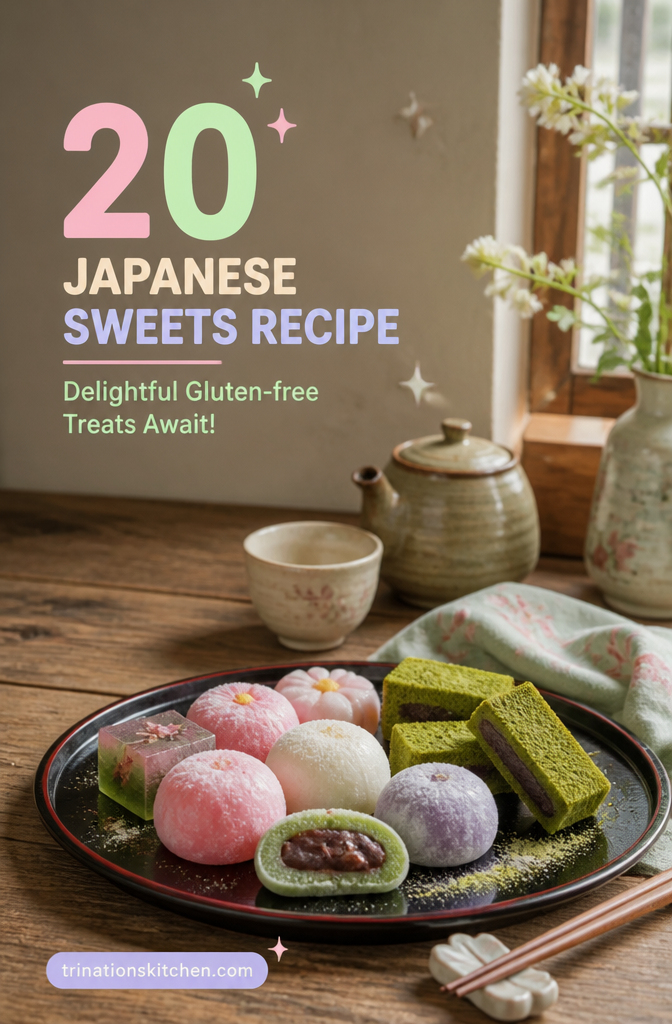
Japanese sweets have a delicate balance of flavor, texture, and presentation that makes every bite feel special. Many traditional Japanese desserts are naturally gluten-free because they rely on rice flour, glutinous rice, and starches rather than wheat. The following ideas cover mochi recipes, matcha cake, chilled desserts, and simple sweet treats you can make at home, all with practical guidance to help you get reliable results.
Start With a Gluten-Free Pantry
Good Japanese desserts begin with the right basics. Keep these ingredients on hand so you can move from idea to dessert without a last-minute substitution.
- Sweet rice flour, also called glutinous rice flour or mochiko, for chewy mochi
- Plain rice flour for lighter cakes and steamed sweets
- Tapioca starch or potato starch for elasticity and a glossy finish
- Cornstarch or potato starch for dusting and preventing sticking
- Granulated sugar, light brown sugar, or coconut sugar for sweetness
- Coconut milk or oat milk for dairy-free creaminess
- Matcha powder for color and flavor
- Edamame, adzuki beans, and sesame for savory-sweet contrast
Read labels carefully. Some pre-made mochi, marshmallows, and flavored powders contain wheat or barley. When in doubt, choose products labeled gluten-free.
Master the Basics of Mochi
Mochi is one of the most satisfying gluten-free recipes because it is naturally chewy and adaptable. The key is moisture control.
- Mix rice flour, sugar, and water until smooth. If using tapioca starch, add a small amount for stretch.
- Cover the bowl and microwave in short bursts, stirring between each, until the dough looks translucent and cohesive.
- Dust a board generously with starch. Work quickly while the dough is warm to avoid cracks.
- Cut with a starch-coated knife or bench scraper. Fill with red bean paste, fruit, or ice cream.
- Store wrapped tightly at room temperature for the day, then refrigerate. Reheat briefly to soften.
Common mistakes include undercooking the dough, adding too much water, or skipping the starch dusting. If the mochi becomes stiff, knead it briefly while warm or reheat it for a few seconds.
Bake a Tender Matcha Cake
A matcha cake can be light, fragrant, and gluten-free without losing structure. Rice flour works well when you build in moisture and gentle mixing.
- Sift rice flour and matcha together to remove lumps and aerate the batter.
- Whisk eggs and sugar until pale, then fold in the dry ingredients.
- Add neutral oil or melted butter for tenderness, followed by a splash of milk or yogurt for moisture.
- Bake at a moderate temperature until the center springs back and a skewer comes out clean.
- Cool in the pan for a few minutes, then transfer to a rack to prevent sogginess.
For extra softness, replace a portion of rice flour with tapioca starch. Avoid overmixing, which can make the cake dense. If you prefer a steamed version, steam in a covered pot over simmering water until set; the texture will be moist and bouncy.
Chill and Set: Panna Cotta, Jelly, and Pudding
Cold desserts are excellent gluten-free recipes because they rely on gelling rather than flour.
- Bloom gelatin in cold water, then dissolve it into a warm base of milk, coconut milk, or fruit purée.
- Sweeten to taste, add a pinch of salt, and flavor with vanilla, matcha, or roasted tea.
- Pour into lightly oiled molds and chill until firm.
- Unmold by dipping the mold briefly in warm water, then invert onto a plate.
For a vegan option, use agar-agar, following the package ratio and bringing the mixture to a boil to activate it. Common mistakes are boiling gelatin, which weakens its set, or not chilling long enough. If a jelly is too firm, reduce the gelling agent slightly next time.
Quick Sweet Treats for Any Craving
When you want Japanese desserts without a long prep, try these simple ideas.
- Kinako mochi: Toss small mochi pieces in roasted soybean flour and sugar for a nutty coating.
- Matcha rice crispy squares: Melt marshmallows, stir in gluten-free puffed rice and matcha, then press into a pan and cool.
- Sweet potato balls: Mash steamed sweet potato with a little sugar and rice flour, roll into balls, and pan-fry until crisp.
- Banana mochi: Fold ripe banana into rice flour, steam until set, then dust with coconut or kinako.
- Black sesame pudding: Blend sesame paste into warm milk, sweeten, and chill until spoonable.
Keep portions small for richer treats and serve with green tea to balance sweetness.
Presentation and Flavor Pairings
Japanese sweets shine when they look as good as they taste.
- Use neutral plates and let the natural color of matcha, adzuki, and sesame stand out.
- Dust lightly with kinako or powdered sugar for a soft finish.
- Add fresh fruit or a small leaf for contrast without overwhelming the dessert.
- Pair chewy mochi with crisp cookies or roasted nuts for texture.
- Balance sweet flavors with roasted teas like hojicha or genmaicha.
Storage and Make-Ahead Tips
- Store mochi wrapped at room temperature for a day; refrigerate leftovers and bring to room temperature before serving.
- Keep cakes in an airtight container at room temperature for up to a few days, or freeze slices for longer storage.
- Refrigerate puddings and jellies until serving; cover to prevent drying.
- Label containers with dates so you can enjoy treats at their best.
FAQ
Can I substitute regular flour for rice flour in Japanese sweets?
You can, but the texture will change. Rice flour gives a softer, chewier bite, while wheat flour creates a more conventional cake crumb. For gluten-free recipes, stick with rice flour or a certified gluten-free blend.
How do I keep mochi from drying out?
Wrap each piece tightly in plastic or place them in an airtight container. If the surface feels dry, lightly steam or microwave for a few seconds to restore softness.
Is matcha cake naturally gluten-free?
Matcha itself is gluten-free, but many cake recipes use wheat flour. Use rice flour and gluten-free leavening to keep the dessert safe for gluten-free diets while preserving the delicate matcha flavor.
Read more: 20 Irresistible Japanese Sweets Recipes to Try - Gluten-Free Delights!


Nhận xét
Đăng nhận xét